In my ongoing curiosity about all things roleplaying, my first real step into solo journalling was Be Like a Crow. The system itself is wonderfully light, but the theme is rich with invitation: slip into the wings of a bird, draw a few cards, and let the prompts gently steer your imagination. I chose the Gothic Crow to tether this experiment to my Curse of Strahd campaign, but the game is far more flexible than that. Modern, steampunk, cyberpunk, pure fantasy, it wears them all easily.
For now, read on, and enjoy being a crow, if only for a little while.
Scene 1 - The nest.
The nest was warm. I had tucked myself into it just so, feathers fluffed against the chill, listening to the waterfall breathe. It spoke all the time there, a low, endless voice that made promises it never intended to keep. The mist hung thick among the trees, a shroud at branch-height, and I felt hidden inside it, held. For a while, I believed this place could not see me.
Then something crashed.
The branch beside mine lurched under sudden weight. A great white seabird staggered into view, feathers dulled by travel, its feet grasping as if the tree itself had offended him. He smelled of old salt and strong spirits. The stench stung my eyes. This bird did not belong to Barovia, and Barovia did not forgive such mistakes.
He squawked my name.
“Balthazar. You are needed.”
His voice scraped like shell on stone as it told me of Andrej, the venerable giant moth, dead at last. Of a coven gathered in a workshop beneath a windmill’s turning arms. Of a funeral that would not begin without me. I was to dance, it said, to stitch the ritual together and guide Andrej onward. And because Andrej had been flightless in life and would be so in death, I would need to give him another way to climb up and out. The power of the spider. A miniature vial of spider poison. No poison, no passage.
The gull leaned closer as it spoke, breath heavy with liquor and impatience. He warned me not to delay. He reminded me, almost cheerfully, how hags behaved when crossed. Then he laughed, a harsh sound, and pushed off the branch.
“They promised me rum,” he called back as it went.
The branch still trembled when the forest fell quiet again.
My nest felt smaller then. The mist no longer hid me; it pressed in. Somewhere beyond the falls, beyond the trees, the windmill turned, waiting. I was young. I was untested. And above it all, I felt the old weight of watching eyes, patient and feather-black, far away but never gone.
Scene 2 - To the camp.
The flight should have been simple. I told myself that as I left the waterfall behind, the sound of it thinning into memory. Barovia does not care for simple things.
Fog rose to meet me, thick enough to taste. I flew low and quiet at first, letting the land slide beneath my wings, when the air above darkened with movement. Ravens. Not one or two, but many, spiralling and wheeling in a pattern that made my feathers itch. They were not hunting. They were not travelling. They were doing something else.
Their cries were measured. Their turns precise. An old shape was being drawn in the sky, something that did not need to be seen to be understood. I felt it press against my thoughts, ancient and patient, as if it had been waiting for me to look up.
I did not look long.
My wings angled away before my mind could argue. Preservation is my oldest teacher, and I obeyed it. Whatever the ravens were stitching together in the air, it was not meant for me, and I wanted no part of it. I slipped into the fog, letting it swallow my outline, my heart hammering until the sound of wings faded behind me.
A rook crossed my path soon after, glossy and confident, calling out as if we were equals. She asked for help, her voice bright with urgency, but I did not slow. Nothing a rook wants is small, and nothing is more dangerous right now than delay. I gave no answer and flew on, guilt tugging at me like burrs.
The fog thickened. Landmarks vanished. For a while, I did not know where I was.
I dropped lower, skimming the tops of wet grasses, breathing in the world through my beak. The foothills smelled of cold stone. The woods lay to my left, old and familiar. Slowly, the map in my head redrew itself. I was not lost. Barovia had only turned me around for its own amusement.
Then the wind struck.
It came down from the mountains without warning, sharp and freezing, catching my wing at the wrong angle. I spun, cursed, and was forced to land hard among the roots and stones. The human road lay uncomfortably close. I could feel it, even before I saw it, a scar in the land where wheels and boots had passed too often.
The mist parted nearby, revealing bare ground, and in it a raven.
They were larger than me, heavier in the chest, their beak working at the earth as if unearthing a secret. Symbols were scratched into the dirt, lines and curves that tugged at my eyes without yielding meaning. I watched, transfixed and afraid, knowing that whatever language they used was far beyond me.
I left before it could notice.
As I lifted away, something pale caught my eye. A skull. A crow’s skull, bleached and clean, larger than my own head. I landed again, curiosity overwhelming caution, and pushed my head inside it.
It fit.
The weight surprised me, but not unpleasantly. The world narrowed through hollow eyes. I looked monstrous. I looked like something that would not be questioned. Fear is my first defence, and this felt like armour. I kept it.
I crossed the road quickly, heart racing, and nearly missed the black rose tangled in a shrub by the verge. It had fallen there by chance, perhaps from a passing carriage, its petals dark as old bruises. I plucked it from the damp soil. It smelled of death, and the scent steadied me, familiar and kind.
Further on, I found a swan.
Grey-feathered and young, far from the safety of water, he clutched something bright in its beak. A gold coin, dulled but valuable, heavy with human meaning. I approached slowly, aware of the skull upon my head and the rose in my claws. I softened myself as much as I could, lowering my posture, keeping my voice gentle.
The swan was trusting. Too trusting. He liked me.
We traded. The rose for the coin. He seemed pleased with the exchange, enchanted by the flower’s dark beauty. I warned him then, quietly, to return to the river. Roads bring hunters. Roads bring wheels. Roads do not forgive birds.
He listened. I hope he listened.
With the coin secure, I took to the air once more. Smoke soon rose ahead, thin and blue, threaded with lantern light and music. The Vistani camp spread beneath me, a knot of wagons and firelight in the gloom. I circled above it, the crow skull heavy on my head, the gold warm in my grasp, searching for a place where a small, fine thing like a vial might be found.
Somewhere below, humans laughed. Somewhere beyond them, the windmill waited.
Scene 3 - Traveller's tent.
I saw the magpies first, their nest stitched together close to the camp, bold in a way I have never been. I drifted nearer and called softly, hoping for scraps of knowledge about the humans below. They saw the skull on my head and scattered at once, shrieking, wings flashing. Fear follows me too easily when I borrow it from the dead.
So I landed and pulled my head free. The skull felt heavier in my claws than it had on my neck. I buried it beneath loose earth near the edge of the camp, marking the place in my mind. I will need it again. Just not yet.
On the ground I moved carefully, hopping stone to stone to avoid the sucking mud. Music swelled around me, strings and clapping hands, laughter braided through smoke. I almost believed I was unseen, until a mangy dog burst from the dark, barking itself raw.
I leapt as it lunged, wings snapping open, and plunged into the mouth of an open wagon.
Inside, a little girl stared at me with enormous dark eyes. She did not scream. She did not shoo me away. She smiled, slow and careful, as if she knew better than to waste moments like this. I showed her the gold coin, turning it so it caught the lantern light, and she laughed softly, delighted. She held out her hand, and I stepped onto it.
I tried to tell her what I needed. I do not know how, but she understood. Her gaze sharpened, distant and present at once, like someone listening to a voice no one else can hear. For a moment I wondered what she would become, given time. Then she slid from the wagon and carried me with her into the camp.
People loomed on all sides, men and women with dark hair curled tight by the damp, faces bright with drink and firelight. They smiled as we passed, but the smell of roasting pigeon twisted my stomach. I stayed close to the girl, trusting her small certainty more than their cheer.
Glass chimed somewhere ahead. My heart lifted at the sound.
A tent glowed red through the fog, warmth and danger seeping from its seams. Long nails tapped against crystal, slow and patient. Fear fluttered through me, and I flew to the girl’s arm, gripping tight. She laughed, proud, and carried me inside.
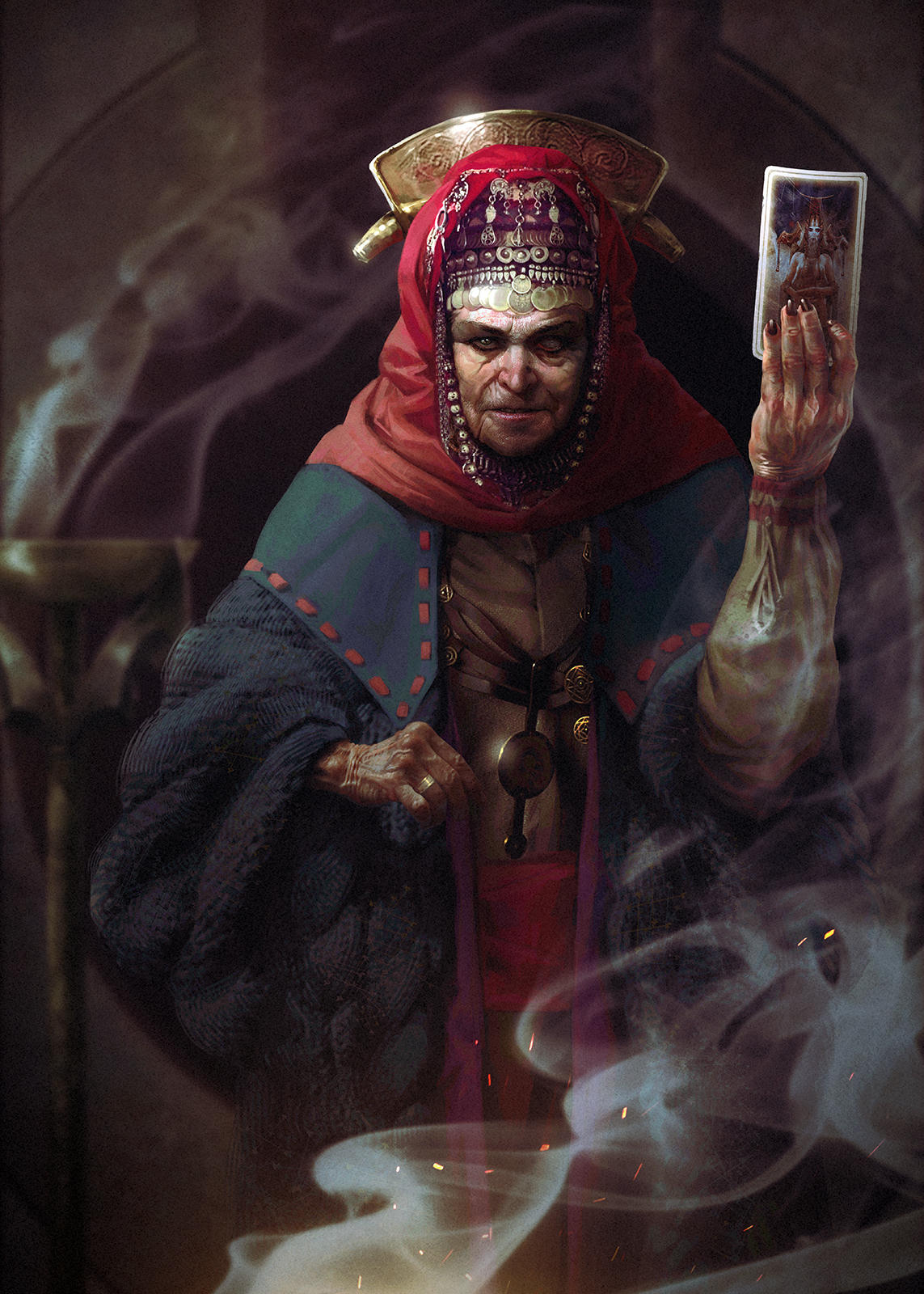
Magic fire painted everything crimson. A low table waited beneath a black velvet cloth, a crystal globe flashing with inner light. A hunched crone peered into it, her voice crackling like dead leaves as she spoke. When she saw us, laughter tore from her mouth, sharp and delighted.
Behind her stood an armoire, and on its shelf, vials. Many of them. One empty.
I danced first. Hopped and fluttered and spun, all instinct and effort, but it earned only laughter. Then I sang. I let the sound pull up from somewhere older than fear, and the tent grew quiet. The crone leaned closer. The girl’s smile faded into something softer.
While they listened, I flew to the shelf. I tapped the coin against the empty glass, again and again, letting the sound speak for me.
The crone nodded. She took the coin without counting it and placed the vial gently into my claws. Her eyes lingered on me, knowing and unkind. She gestured to the girl. It was time for me to go.
Before I left, I set the vial upon the table and danced once more. This time without need, without begging. The humans clapped and laughed as I hopped and beat my wings, a foolish little bird full of joy. They did not know that this dance was a promise. At the funeral, I will dance a different one.
I took the vial and flew.
The girl watched me go, sadness heavy on her face. I felt it then, her loneliness, the echo of hooves and screaming horses, the place where her father should have been. I was only a moment in her life, but perhaps moments matter.
I climbed into the fog, away from dogs and men and women who see too much. The vial was light in my grasp.
Now I must find a spider.
 |
| Image by by Arman Akopian |
Scene 4 - In search of poison.
I returned first to the place where I had hidden the skull.
It lay where I left it, pale and patient among the roots. I lowered my head and took it up again, settling its weight over my eyes. The world narrowed. The fear it promised felt necessary. Whatever waited ahead would not be frightened by a bare juvenile crow.
I flew north from the camp, crossed the river, and the sky broke.
Rain fell like thrown gravel. Wind clawed at my wings. Lightning stitched white wounds through the clouds, and thunder followed like laughter. I searched from above for shelter, for anything that might break the storm’s teeth, but the land offered nothing. At last I clenched my beak and pushed on.
The storm took its payment.
My wing screamed as a gust wrenched me sideways. Feathers tore. Pain flared hot and sharp, and I nearly fell. I corrected, barely, rain blinding me, breath ragged, every beat of my wings an argument with gravity.
That was when the elder crow appeared.
He flew beside me as if the storm had been invited for his convenience. His feathers were blacker than wet stone, his eye bright with knowing. He did not waste words.
“Take shelter,” he called. “There is an ill wind tonight. The cries of a dragon of death coil around the castle, and they call the foul things of this land from their holes. This world belongs to him. Not to crows. Not to ravens.”
I angled downward at once, gratitude sharp and urgent. I cried my thanks, and before I could stop myself, I asked about the spider venom I sought. The elder crow’s gaze hardened.
“The largest I have ever seen lie to the north, near the lake,” he said. “They are wrong. More than spider. A foul spirit walks inside them. I would steer clear, youngling.”
I thanked him again and flew on, northward, carrying both warning and intention.
The storm worsened. Something hard and metallic spun past me in the wind, close enough that I felt its wake. A pointed thing, cold and murderous, born of human hands. I twisted away, heart racing, and wondered how such careless cruelty could be loosed into the sky.
Exhaustion crept in, heavy and dull, when a shadow rose beneath me.
An eagle.
She did not speak. She did not look at me. She simply adjusted her flight, broad back steady, and allowed me to cling. I pressed myself into her feathers as she carried us north, rain drumming against its wings. In this land of hungers and hierarchies, the kindness felt unreal, almost sacred.
When she had taken me far enough, she dipped without ceremony and vanished into the storm, leaving me alone once more.
The lake lay ahead.
There, blocking the western road, I saw them.
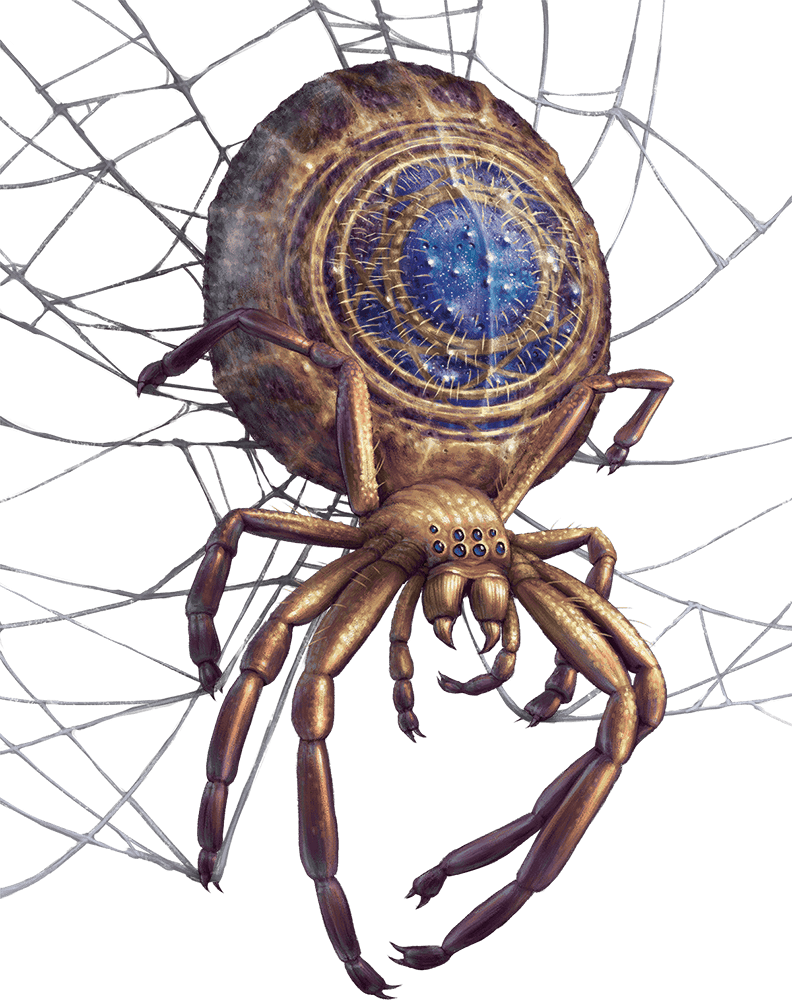
Spiders. Giant things, vast as horses, their legs braced like siege engines. Webs choked the trees and stretched across the road, and strange runes were etched into their swollen carapaces, glowing faintly through the rain. These were no ordinary hunters of flies and beetles. Something else watched through their many eyes.
I hovered, wounded wing trembling, skull heavy on my head.
Perhaps, I thought, I could take what I needed without being seen. A gnat does not trouble a bull. And I am very small.
 |
| Image by Wizards of the Coast |
Scene 5 - Spiders of ruin.
The road by the lake stank of silk and wrongness.
I circled low until my wing screamed its protest, then dropped closer, closer, searching for anything that might hide a crow-shaped mistake. The spiders were immense, their legs braced across the Svalich Road as if it were theirs by ancient decree. One of them lumbered past, belly low, trailing fresh webbing across the stones to choke the path against human wheels.
At the last possible moment I slipped into a shallow divot in the road, little more than a scar in the earth. The spider passed so near I felt the air move beneath its bulk. Its underside loomed pale and swollen, unarmoured, unmarked by the runes that burned along its back like scars that had learned to glow.
Fear pressed against my skull from the inside.
I went anyway.
I launched upward, straight into the shadow of its body, tucking myself tight beneath the soft flesh and away from the etched carapace. The smell was overpowering, bitter and wet. I struck and tore, feathers slick with what spilled free. Yellow fluid gushed where I pierced it, not black as I had expected but sickly and luminous, like poison pretending to be light.
I worked fast.
Only because my kind knows how to use what the world discards was I able to hold the vial steady beneath the wound. The liquid hissed as it filled, a faint angry sound that vibrated through my claws. I did not know that an ordinary container should have shattered under such fury. I only knew that it held, and that the task was nearly done.
The spider screamed.
The sound was not meant for ears. It shook the webbing, shook the road, shook something deep inside me. The creature reared and twisted with terrifying grace, turning its many eyes upon me. A leg like a blade struck out and found me before I could escape.
Pain tore through my body. Something split. Warmth flooded where it should not. I fell away, tumbling, wings failing me as another strike caught and pierced my flesh. I tasted blood. My own.
Still, I lived.
I clawed for the air, screaming without sound, and somehow the sky answered. I tore free, the vial clenched tight despite the agony, and forced myself upward. The spiders shrank below me, their fury tangled in their own webs.
I rose, wounded and shaking, but alive.
The vial was heavy. It burned faintly against my grip. I had what the ritual demanded. Now all that remained was to find somewhere dark and quiet enough to bleed, and to hope that Barovia would allow me that mercy before the ceremony began.
Scene 6 - To rest. And to heal.
The woods closed around me like a held breath.
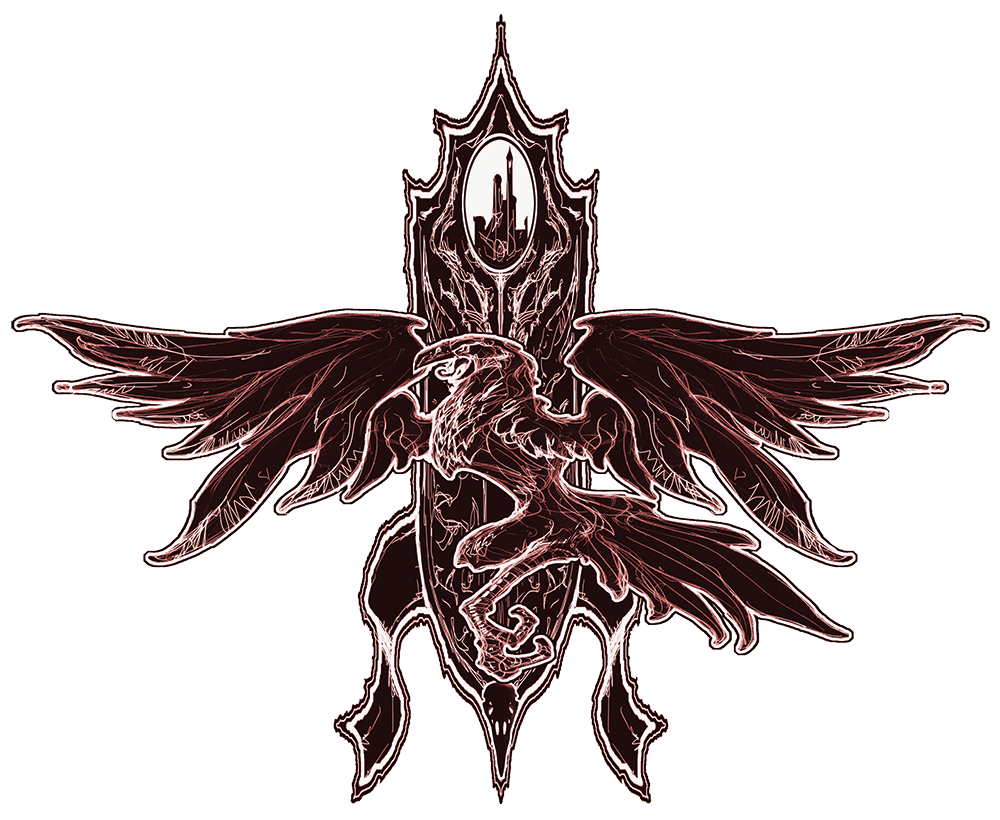
I flew low through the Svalich trees, my wing dragging pain behind it, when something fluttered on the ground caught my eye. A square of human cloth, black as soaked ash, tugged by the breeze. I descended just enough to see it clearly. A raven was embroidered upon it, poised before the suggestion of a castle. The stitching was old. The meaning older. Power clung to it like rot.
It had been thrown away carelessly, I could tell that at once. A lord’s passing indulgence, discarded from a carriage as one might shed a crumb. Still, it radiated doom. The land remembers who has ruled it, and it does not forgive reminders.
I did not touch it.
 |
| Image by Wizards of the Coast |
As I climbed again, meaning to put distance between myself and that omen, the world lunged.
A black shape burst from the undergrowth, silent and perfect. A cat. Its eyes burned with a hunger that felt borrowed, as if something else crouched inside its ribs, riding it. It leapt for me, claws wide, mouth open in anticipation.
I struck first, clumsy with pain and fear, and missed. The cat’s body twisted in the air, misjudging my fall, its claws slicing nothing but mist. We both landed, staring at one another for the space of a heartbeat.
I screamed.
I pulled the sound from deep inside myself and hurled it outward, a shriek fit for graves and bell towers. Through the hollow eyes of the skull I wore, I must have looked like a ghost given feathers, an omen with wings. The cat recoiled, hissed, and fled back into the trees, taking its borrowed hunger with it.
I did not wait.
Not far on, I found an old nest cradled in the arms of a fir tree, forgotten and half-rotted, but intact enough to hold me. I dragged myself into it and collapsed. When I tried to tend my wounds, my beak shaking as I preened, the blood would not stop. Pain pulsed with every breath. Darkness hovered close.
So I reached inward.
I called on something old in my bones, something inherited rather than learned. The stubborn vitality of carrion eaters. The refusal to die simply because the world insists. I held myself together by will alone until the bleeding slowed and my strength crept back, thin but real.
I rested there, near enough that the windmill’s silhouette haunted the edge of my thoughts. Near the witches. Near the place where Andrej waited, trapped even in death. The vial lay heavy beside me, warm and dangerous.
I closed my eyes and let the forest keep watch, knowing rest was a debt Barovia would soon come to collect.
 |
| Image by Wizards of the Coast |
Scene 7 - The windmill.
Hunger caught me just before the windmill did.
It was sudden and sharp, a reminder that even purpose bows to the body. The rain had softened the earth, and worms rose helplessly from the soil, pale and glistening. I dove without thought, precise and ruthless, snapping them up one by one. Warmth spread through me as I swallowed. Fuel. A meal taken on the wing for a bird with dreadful work ahead.
As I rose again, something shifted.
The foul, needling wind that had harried me for so long fell away, replaced by a cooler breath from the north. It carried me, steady and sure, as if the land itself were ushering me onward. I let it fill my wings and did not question the favour.
Then I saw it.
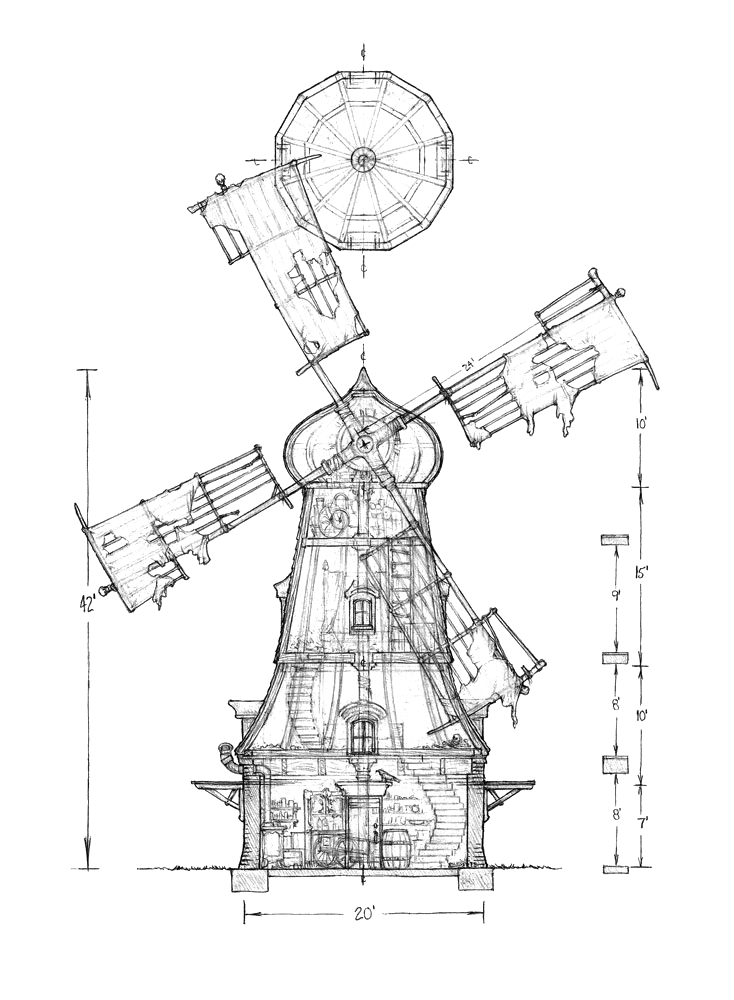
The windmill turned against the sky, slow and deliberate, its arms cutting patient circles through the mist. It did not loom. It beckoned. This was a place that recognised those who respected the old powers, and it knew I was coming.
I slipped inside through a high opening and settled on the beams of the top floor.
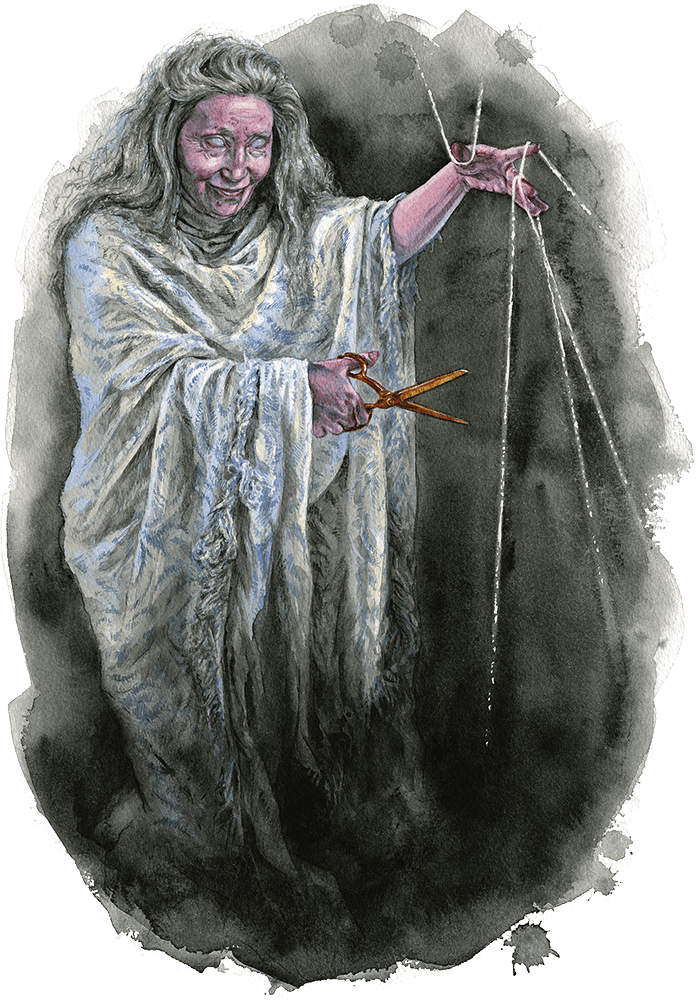
A woman waited there. Or something wearing the memory of one. Her shape was wrong in small ways, her smile stretched thin over a stench of rot and sweet decay. She delighted in my arrival, loosing a screech of joy in the human tongue that curdled the air. At her call, two more answered, their bodies bent and knotted by years and appetites best left unnamed.
They gathered around the table.
There lay Andrej.
A monarch of moths. A king of insects. His great wings were spread and pinned with iron daggers into the hard wood beneath, his body caught inside a chalk circle drawn with careful malice. Even in death he was magnificent, dusted with colour dulled only slightly by stillness. The ritual was prepared. The sacrifice laid bare. Only the witnesses were missing.
The hags began to weave.
Their spell did not glow or flare. It screamed.
A sound tore through the room, through the walls, through the land itself, a noise meant for fur and scale and feather rather than human ear. I felt it in my bones. Outside, the forest answered. Scratching. Wingbeats. Chittering voices and low howls. Bodies moved through brush and mud and shadow, drawn inexorably toward the mill.
The beasts of Barovia were coming.
They came to witness the passing of one who could not fly, and to see whether a juvenile crow, wearing death on his head and poison in his claws, would dare to dance fate into a different shape.
 |
| Image by Wizards of the Coast |
Scene 8 - The ritual.
The ritual chamber filled slowly.
They came by stair and sill, by cracked window and worm-thin crevice in the stone. Beasts of fur and feather pressed inward until the air grew warm and rank with breath and damp hides. Eyes gleamed in the candlelight. No one spoke. The windmill groaned around us, its great arms turning above like a patient executioner.
The raven arrived last.
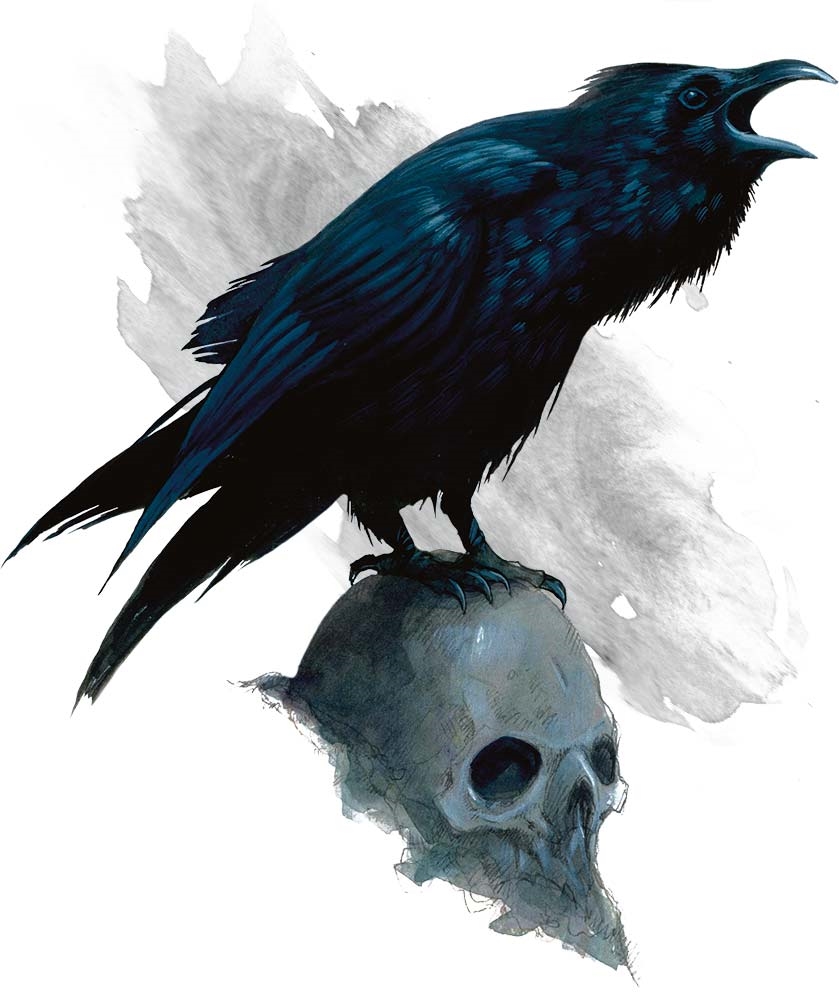
It was larger than the others, but stooped, its feathers dull and worn as if age itself had been chewing on them. Its eyes were wrong. Too clear. Too knowing. It regarded me without curiosity, without heat, as one might regard a flaw already accounted for.
Ravens are not welcome in such places. Not those who have learned to wear human skin, to walk upright and speak lies beside hearth fires. They oppose the old ways. And yet here one stood, whether to pay respects or to spoil them, I could not tell. The malice in its gaze settled into my bones. Fear followed. Fear is poison to a dancer.
The crones nodded, one by one. All who would witness had gathered. One of them saw the vial glint in my claws and smiled with too many teeth.
So I danced.
I danced as if my heart were a drum and my bones the sticks. I called on memory older than names, older than Barovia itself. I danced with the weight of a thousand crows behind me, no, ten thousand, a black river of wings pouring through my limbs. I danced for Andrej. I danced because stopping would mean vanishing.
The room held its breath.
At the height of it, as my wings cut the air and my feet struck the floor in sacred measure, the old raven screamed.
“This crow is a fraud.”
 |
| Image by Wizards of the Coast |
The words sliced through the ritual like frost. It mocked the skull I had earned in blood and fear, called it stolen, called me untested and unworthy. It said I had no right to guide the dead. It said Andrej would be lost if I were allowed to finish.
The hags laughed, delighted.
They taunted the raven in the old tongue, the one all beasts know. They named its failings. Dull feathers. Barnacled beak. Betrayer of ancient rites. No allies stood with it.
The raven answered with blasphemy.
It called on power that stank of rot and denial, magic that mocked life even as it opposed the master of this land. Fire answered fire. Andrej rose.
The moth’s body twisted and swelled, its flesh hardened by undeath. Fangs pushed from its mouth, wet and eager. Its wings unfurled, shedding poison with every beat. The raven cried out that my talisman would earn Andrej’s passage only by silencing me.
Then the world became claws and wind.
I dodged, struck, tore. I felt ancient hunger stir at my call as something answered from the dark. The moth bit me deep, pain flaring white and wild, my thoughts scattering like loose feathers. Still I fought. Beak. Talon. Beak again. Youth burned hotter than borrowed power, and at last Andrej fell, his body collapsing into stillness once more.
The chamber erupted in shrieks of joy.
One of the hags lunged at the raven, her claw tearing across its beak. It burst apart in a storm of feathers, its body unmade, its challenge ended. No interlopers remained.
They turned to me then, nodding sharply. Finish it.
My blood cooled as triumph drained away. I uncorked the vial with my beak and tipped it over Andrej’s body.
The liquid hissed.
It was not venom.
It was acid.
The moth dissolved before us, flesh and spirit alike erased in moments. Horror rippled through the gathered beasts as Andrej vanished completely, not passed on, not resting, but gone. No echo. No memory. As if he had never existed.
I understood then.
I had failed.
The ritual was broken beyond repair. Andrej was lost forever, wiped from the shared remembering of the Svalich woods. Shame crushed me flat. I did not wait for judgement.
I fled.
My wings carried me out of the windmill and into the night before the circle could close, before claws and teeth could find me. Behind me, laughter curdled into something sharper.
Ahead of me, only fog.